
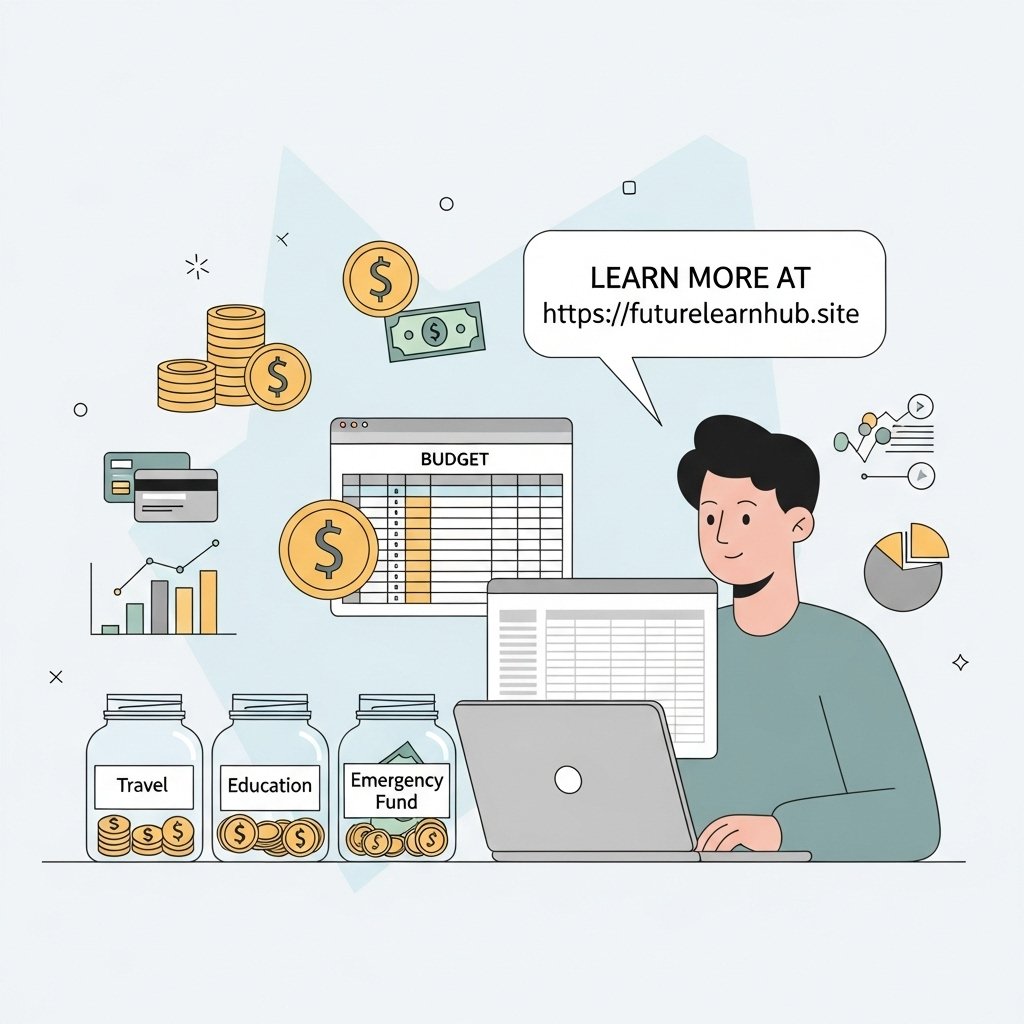
Debt-Free Roadmap: Easy Strategies to Pay Off Debt Faster

Becoming debt-free is completely possible with the right plan. You don’t need big sacrifices—just smart strategies and consistency. Here’s a simple roadmap to help you pay off debt faster and regain financial control.

1. List All Your Debts Clearly

Write down every debt, including balances, interest rates, and monthly payments. Knowing the full picture helps you create an effective payoff plan.

2. Choose a Debt Payoff Method

You can use:

  • Debt Snowball: Pay off the smallest debt first for quick wins and motivation.
  • Debt Avalanche: Pay off the highest interest debt first to save more money.

Pick the one that suits your personality and situation.

3. Create a Dedicated Debt Budget

Set aside a specific amount each month for debt repayment. Even a small extra amount accelerates your payoff timeline.

4. Cut Unnecessary Expenses

Pause subscriptions, reduce takeout, delay non-essential purchases, and redirect that money toward your debt.

5. Increase Your Income Where Possible

Small income boosts—like freelancing, selling unused items, or part-time work—can speed up debt repayment significantly.

6. Avoid Taking On New Debt

Say no to new loans or credit card spending during your repayment phase. Staying disciplined keeps your progress steady.

7. Track Your Progress Weekly

Review your progress each week. Seeing your debt shrink keeps you motivated and committed.

Final Thoughts

Paying off debt doesn’t have to be stressful. With a clear roadmap and consistent effort, you can become debt-free faster than you think. Start with one strategy today, stay focused, and celebrate your progress along the way.

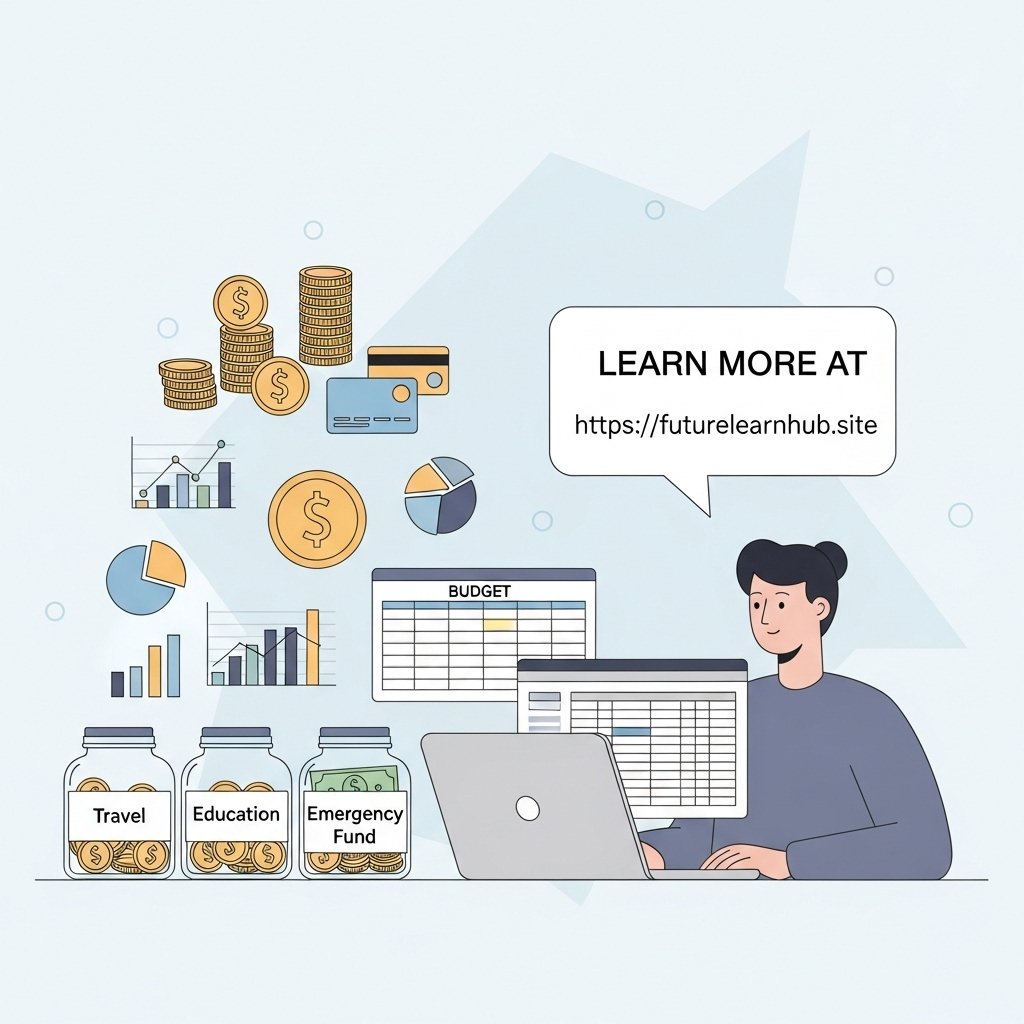
How to Build a Savings Plan That Actually Works

A successful savings plan doesn’t depend on how much you earn—it depends on how well you plan and stay consistent. With the right approach, anyone can build a savings strategy that truly works.

1. Set Clear Savings Goals

Decide what you’re saving for: an emergency fund, travel, a car, or long-term stability. Clear goals give direction and motivation.

2. Know Your Monthly Income and Expenses

List your income sources and all expenses. This helps you understand how much you can realistically save without stress.

3. Use the 50/30/20 Rule

Allocate 50% of income to needs, 30% to wants, and 20% to savings or debt. This simple structure keeps your finances balanced.

4. Automate Your Savings

Set automatic transfers to your savings account every month. Automation builds discipline and ensures consistency.

5. Choose the Right Savings Accounts

Use high-yield savings accounts or separate envelopes/buckets for different goals. It keeps your savings organized and growing.

6. Track Your Progress Monthly

Check in every month to see how much you’ve saved and where adjustments are needed. Progress tracking boosts motivation.

7. Cut Unnecessary Expenses

Identify places where you overspend—subscriptions, dining out, impulse shopping—and redirect that money toward savings.

Final Thoughts

A savings plan works best when it’s simple, realistic, and consistent. Start small, stay committed, and watch your savings grow over time. The key is to build habits that support your financial goals, not overwhelm you.

7 Habits That Will Transform Your Financial Life

Improving your financial life isn’t about big changes—it’s about small habits that you practice every day. These powerful habits can help you save more, spend wisely, and build long-term stability.

1. Track Your Spending Daily

Even noting down small expenses helps you stay aware of where your money goes. Awareness is the first step to control.

2. Create a Monthly Budget

Plan your income and expenses before the month starts. A clear budget keeps your spending disciplined and intentional.

3. Save Before You Spend

Transfer a portion of your income to savings as soon as you get paid. Treat saving like a bill you must pay.

4. Avoid Impulse Purchases

Before buying anything, pause for 24 hours. This simple habit stops unnecessary spending and increases mindful decisions.

5. Pay Off Debt Strategically

Focus on one debt at a time—either the smallest balance or highest interest. Consistent, planned payments reduce stress.

6. Invest Regularly

Even small amounts invested monthly grow over time. Start early, stay consistent, and let compounding work for you.

7. Review Your Finances Weekly

Set a weekly check-in to review spending, savings, and goals. Regular reviews keep you focused and prevent bad habits from returning.

Final Thoughts

These seven habits are simple but life-changing. When practiced consistently, they build discipline, financial confidence, and long-term success. Start with one habit today and grow from there—your future self will thank you.

Smart Budgeting: How to Control Your Money in 30 Days

Taking control of your money doesn’t have to be hard. With simple habits and consistent effort, you can completely transform your finances in just 30 days. This plan helps you understand where your money goes, reduce unnecessary spending, and build stronger financial discipline.

1. Track Every Expense (Days 1–5)

Start by writing down every amount you spend—big or small. Seeing your spending clearly is the first step to controlling it.

2. Separate Needs from Wants (Days 6–10)

Look at your expenses and categorize them. Essentials are needs; the rest are wants. This helps you understand where to cut back.

3. Create a Simple 30-Day Budget (Days 11–15)

Set spending limits for food, bills, transport, and fun activities. Make your budget realistic so you can stick to it.

4. Cut One Unnecessary Expense (Days 16–18)

Pick one thing you can reduce—like eating out, extra subscriptions, or impulsive purchases. Removing even one habit saves more than you think.

5. Plan Your Meals (Days 19–20)

Meal planning reduces food waste and prevents overspending on takeout. Prepare a weekly list and stick to it.

6. Use the Envelope Method (Days 21–22)

For categories like groceries or entertainment, put the exact amount in separate envelopes. When the money is gone, you stop spending.

7. Build a Small Emergency Cushion (Days 23–25)

Save a small amount—$1, $5, or $10 a day. By the end of 30 days, you’ll have a starter emergency fund.

8. Review and Adjust Your Spending (Days 26–27)

Look at your budget and see what worked and what didn’t. Adjust your plan so you can stay consistent next month.

9. Automate One Savings Habit (Day 28)

Set up automatic transfers—even small ones. Automated savings grow without effort.

10. Set a Clear Money Goal (Days 29–30)

Decide what you want to achieve: pay off debt, save for a trip, or build an emergency fund. A clear goal keeps you motivated long-term.

Final Thoughts

You don’t need a complicated system to control your money—just consistency and small daily steps. In 30 days, you’ll develop habits that make budgeting easier and help you feel confident about your finances. Keep going, stay disciplined, and watch your money work for you