


Introduction
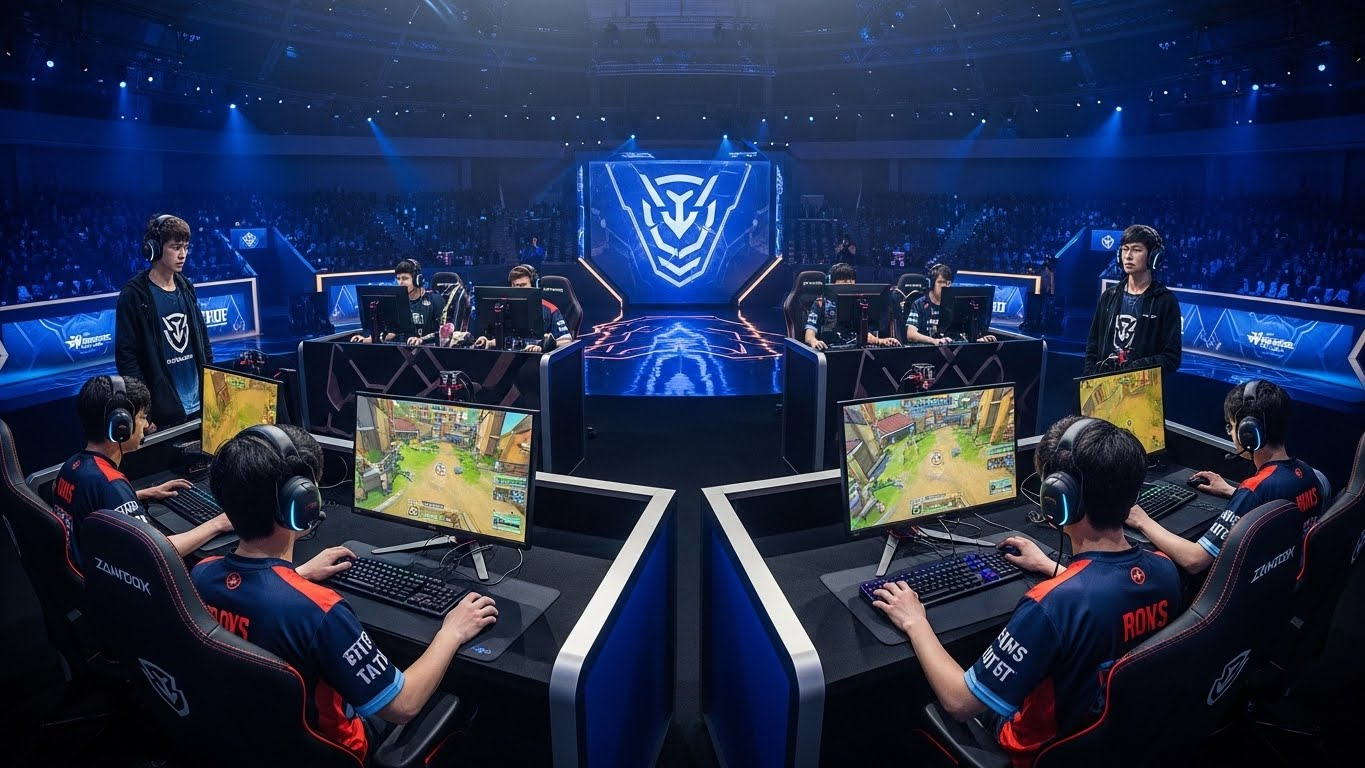
Esports players compete in organized video game tournaments across different titles such as shooting games, strategy games, and battle royale games. Rankings are based on performance in tournaments, consistency, team results, and points earned over time. These rankings change regularly depending on event results and seasonal updates.
This article explains how esports player rankings work, categories of players, and examples of top players across major esports titles.
What Is Esports Player Ranking
Esports player ranking is a system that evaluates players based on:
- Tournament results
- Kill or objective performance
- Team achievements
- Seasonal points
- International performance
Rankings are maintained by tournament organizers, esports leagues, and game publishers.
How Rankings Are Calculated
Tournament Points
Players earn points from:
- Match wins
- Placement positions
- Eliminations or objectives
Team Performance
Most esports games use team-based systems, so rankings depend on team success.
Consistency Factor
Players who perform well across multiple tournaments gain higher ranking positions.
Event Weight
Major tournaments provide more ranking points compared to minor events.
Ranking Categories
Global Ranking
Players are ranked across all regions.
Regional Ranking
Players are ranked within specific regions such as Asia, Europe, or North America.
Team Ranking
Some rankings focus on teams instead of individual players.
Top Esports Players in Competitive Gaming
Oleksandr Kostyliev (s1mple)
Oleksandr Kostyliev is a professional Counter-Strike player.
Game
Counter-Strike 2
Role
Rifler and sniper player.
Ranking Factors
- Tournament wins
- Consistent performance
- Individual match impact
Johan Sundstein (N0tail)
Johan Sundstein is a professional Dota 2 player and team leader.
Game
Dota 2
Role
Team captain and support player.
Ranking Factors
- International tournament wins
- Team leadership
- Strategy execution
Lee Sang-hyeok (Faker)
Lee Sang-hyeok is a professional League of Legends player.
Game
League of Legends
Role
Mid lane player.
Ranking Factors
- Championship wins
- Long-term career consistency
- Competitive performance
Kyle Giersdorf (Bugha)
Kyle Giersdorf is a Fortnite esports player.
Game
Fortnite
Role
Solo competitive player.
Ranking Factors
- World championship performance
- Solo match success
- Tournament placement
Aydan Conrad
Aydan Conrad is a professional battle royale player.
Game
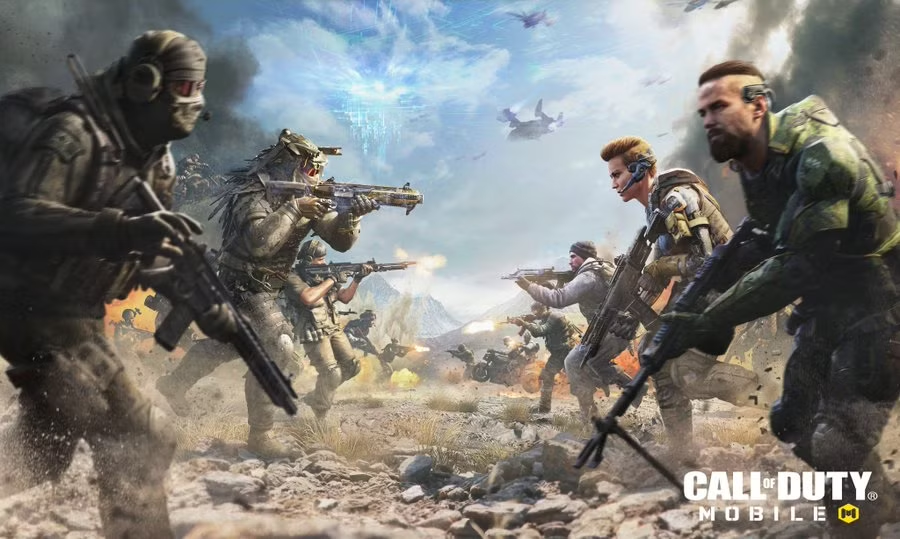
Call of Duty: Warzone
Role
Competitive player in battle royale matches.
Ranking Factors
- High elimination matches
- Streaming performance
- Tournament results
Jaccob Whiteaker (yay)
Jaccob Whiteaker is a professional Valorant player.
Game
Valorant
Role
Rifler and duel specialist.
Ranking Factors
- Tournament MVP performance
- Team contribution
- Competitive consistency
Esports Ranking in Battle Royale Games
PUBG: BATTLEGROUNDS Players
Ranking is based on:
- Survival placement
- Elimination count
- Team coordination
Apex Legends Players
Ranking depends on:
- Squad performance
- Kill points
- Tournament standings
Esports Ranking in Mobile Games
Free Fire MAX Players
Ranking is based on:
- World series points
- Kill participation
- Team ranking
PUBG Mobile Players
Ranking depends on:
- Global tournaments
- League performance
- Final standings
Team Influence on Player Ranking
Most esports rankings depend on team results.
Team Coordination
Players perform based on:
- Communication
- Strategy planning
- Role distribution
Shared Responsibility
Team success affects individual ranking positions.
Tournament Importance in Rankings
Local Tournaments
Smaller point value.
Regional Tournaments
Medium point value.
Global Tournaments
Highest point value.
Ranking Progress System
Entry Level
Players start from amateur competitions.
Professional Level
Players join official leagues.
Elite Level
Players compete in global finals.
Common Factors That Affect Ranking
Consistency
Regular performance improves ranking position.
Tournament Wins
Winning major events increases ranking points.
Individual Performance
Kill count and objectives matter in ranking systems.
Team Success
Team results directly affect player ranking.
Changes in Ranking Systems
Ranking systems are updated based on:
- Game balance changes
- Tournament structure updates
- New competitive formats
Esports Career Path
Amateur Stage
Players join small online tournaments.
Semi-Pro Stage
Players join regional competitions.
Pro Stage
Players enter global esports events.
Future of Esports Ranking Systems
Future ranking systems may include:
- Real-time ranking updates
- Cross-game ranking systems
- AI-based performance tracking
- Unified global ranking platforms
Conclusion
Top esports player rankings are based on performance in tournaments, team results, and consistency across competitive events. Players like s1mple, Faker, Bugha, and others show how different games create ranking systems based on structured competition. Rankings continue to change as new tournaments and seasons take place in global esports.





Leave a Reply